Showing posts with label Pets. Show all posts

Monday, September 23, 2013

pet passport | Fur the Love of Pets


By Deirdre Chiaramonte, DVM, DACVIM, The Animal Medical Center

intl-travel2The key to successful international travel is to start planning early. First, review the pet policies of your foreign destination and call the consulate at least a year in advance to determine what vaccinations, blood tests and paperwork are required for your pet to successfully enter a foreign country. Regulations change unexpectedly and you should check with the consulate frequently to prevent a last minute rule change from thwarting your carefully planned trip.


For example, prior to 2002, travel to the United Kingdom was prohibited unless your dog was quarantined for 6 months! Quarantine is no longer required, but travelers should anticipate an involved process requiring multiple trips to the vet for vaccinations, blood tests, microchips and deworming. A useful website for UK travel information is http://www.defra.gov.uk/animalh/quarantine/index.htm. There is also a helpful brochure to download called “Protecting the welfare of pet dogs and cats during journeys.” 


If you are thinking of traveling to a different hemisphere, there may be other requirements. For example, if you are traveling to Australia you need to apply for an AQIS import permit. Additionally, many countries use a ‘Pet Passport’ to facilitate pet travel. For more information, visit http://ec.europa.eu/food/animal/liveanimals/pets/qanda_en.htm.


Which pets should travel?
Not all pets should travel internationally. It is much safer if your dog or cat can travel under seat with you than in cargo for those long transoceanic flights. Besides geriatric dogs and dogs with chronic diseases – brachycephalic dogs, dogs with behavior issues (separation anxiety) and dogs with arthritis (staying in same position for long hours is hard on joints), also epileptic dogs should not travel  in cargo.


How to get there?
If traveling by sea, some ships have kennels, but most do not permit pets in the staterooms. Airline websites usually have their own section on pet travel rules and regulations and these sites will detail what crates they will approve for travel. Choose direct flights if possible and try to avoid the hottest or coldest part of the day to travel.


intl-travel1Label the crate (in English and the native language of the country to which you are traveling) with all identification and medical information in case you are separated from your pet due to unforeseen circumstances. Secure a photo of the pet to the crate, a copy of the medical record and some of the pet’s food so airline personnel can feed your pet in the event of an emergency. A large sticker saying LIVE ANIMALS should be placed on the crate as well. Animals should be familiar, comfortable and acclimated in their crates long before embarking on a trip. Supply your pet with a non-spill bowl for water inside the crate and line the bottom of the crate with absorbent paper.


On the day of travel, feed only a light meal a few hours before departing. Water can be frozen so it will thaw slowly and spill less or you can teach your pet to drink from a special water dispensing bottle attached to the inside of the crate. Veterinarians at The Animal Medical Center do not recommend sedatives due to possible adverse reactions and inability to react to certain situations such as take-off and landing.


Research Required
Once you have determined the travel regulations for your pet, the real research begins. You need to find pet-friendly hotels and a veterinarian who can handle emergencies at your destination. You will also need to plan for any changes in weather might affect your pet as well as determine the pooper-scooper laws at your destination.


Carry health and vaccine records, extra food, medication refills and extra copies of paper prescriptions, microchip information, extra leashes and collars and photos of the pet. You may elect to purchase a personal microchip reader to facilitate entry through customs.


Helpful websites:
www.pettravel.com
www.pettravelcenter.com
www.aphis.usda.gov


You may want to seek additional advice about international travel from a USDA accredited veterinarian. Ask your veterinarian if they hold this certification. If not, you may contact The Animal Medical Center for assistance. To make an appointment at The AMC, please call 212 838-7053.
____________________________________
For nearly a century, The Animal Medical Center has been a national leader in animal health care, known for its expertise, innovation and success in providing routine, specialty and emergency medical care for companion animals. Thanks in part to the enduring generosity of donors, The AMC is also known for its outstanding teaching, research and compassionate community funds. Please help us to continue these efforts.  Send your contribution to: The Animal Medical Center 510 East 62nd Street, New York, NY 10065. For more information, visit www.amcny.org. To make an appointment, please call 212.838.7053.


To quote George Gershwin, “Summertime and the livin’ is easy,” but travelin’ with your pet requires more than just hopping in the car with your furry family member and heading off on a road trip. Here are some tips about travel for the pet-owning family.


Which pets should travel?
pet-travel1Travel is not for every pet. If you are going to be gone only a few days or less, it maybe better for your pet to stay home with a pet sitter, especially if you have a large dog and the trip involves air travel as cargo. (Read more on air travel in the “How to get there” section.) Geriatric animals may not be the best travelers either. Just like grandma, changes in schedule, water and nap time may not be the older pet’s idea of fun. Pets with chronic health conditions such as kidney disease or heart disease may decompensate from travel stress, so check with your veterinarian about the feasibility of traveling with your older pet.


How to get there
Pet owners are limited to travel by car or airplane since long distance trains and buses typically do not allow pets. Local buses and trains may allow small pets if they are confined in a carrier.


Car – If you are traveling by car, your pet needs to be restrained to protect your pet if you stop quickly and to protect you from being distracted by their antics. Seatbelts can attach to a special harness or you can use the existing seatbelts to curtail any movements of the pet carrier during quick stops.


pet-travel2Air – An excellent resource for the pet owner planning an airline trip is PetFlight.com. This site has travel tips, airline information and travel alerts. Each airline has its own rules about pets on flights, so be sure to check with your carrier well before your planned trip. Make sure your pet and its carrier meet the airline’ regulations, and you have the appropriate travel certificate from your veterinarian.


New to the world of pet travel is Pet Airways the only airline focused on transporting your pet as a passenger, not as cargo. The airline launched July 14, with flights between New York, Denver, Los Angles, Chicago and Washington, D.C.


What to pack
pet-travel3Although bulky, taking your pet’s regular food is likely to prevent a serious case of stomach upset and save you from having to find an emergency clinic and a new source of your pet’s regular food. Abrupt changes in food often set off a bout of vomiting and diarrhea. Litter is bulky too, but a necessity if you are traveling with a cat. Be sure to carry a copy of your pet’s most recent vaccinations. If your pet has health problems, ask your veterinarian for a summary letter explaining your pet’s condition in case you need veterinary care when your regular veterinarian’s office is closed. Be sure the letter lists your pet’s current prescriptions and most recent blood test results.


In addition to packing your pet’s medical information and food and bowls, you need to pack a leash/harness/collar and a backup set all with current ID tags. If your pet has not been microchipped, have your veterinarian implant one so your pet can be identified if it slips its collar.


If you will be staying in one location for more than a week, you might want to ask your veterinarian for a recommendation of a veterinarian in that area. You could also identify a veterinarian using the American Animal Hospital Association’s accredited hospital locator. Finding a veterinarian in advance will save time in an emergency.


Where to stay: finding a pet friendly hotel
pet-travel4The American Automobile Association has an advanced hotel option which allows you to search for hotels which allow pets. The website DogFriendly.com is also a good resource for all things dog friendly. If national parks are your destination this year, the website www.nps.gov can serve as your resource guide for parks and park lodging friendly to your pet.


Always follow good “petiquette” when staying in hotels with your pet. Cover the furniture with a sheet or blanket to protect it from hair. Crate your pet if you leave it alone in the hotel room while dining out and put the “do not disturb” sign on the door so hotel staff will not inadvertently open the door and let your pet escape. When walking your pet, keep away from the building and be sure to pack enough plastic bags to properly dispose of waste. Cats present a different set of problems in a hotel room. Picture yourself trying to get your “scaredy” cat out from underneath the hotel bed. Cats might be better confined in the hotel bathroom or in their travel crate.


While traveling with a pet may present some challenges, being well prepared can help to alleviate stress on you and your pet. ______________________________
For nearly a century, The Animal Medical Center has been a national leader in animal health care, known for its expertise, innovation and success in providing routine, specialty and emergency medical care for companion animals. Thanks in part to the enduring generosity of donors, The AMC is also known for its outstanding teaching, research and compassionate community funds. Please help us to continue these efforts. Send your contribution to: The Animal Medical Center 510 East 62nd Street, New York, NY 10065. For more information, visit www.amcny.org.


Sunday, September 22, 2013

dog dna test | Fur the Love of Pets

DNA testing appears daily in the news. The OJ Simpson trial in 1995 made DNA testing famous and the technology continues to help juries determine innocence or guilt. Veterinarians use DNA testing for both serious medical conditions and to determine dog heritage. One apartment complex in New Hampshire is using DNA testing to identify the dogs and dog owners guilty of violating pooper scooper laws!


Animal Medical Center veterinarians use DNA testing to diagnose a variety of diseases. Take veterinary internal medicine specialists for example. Some members of the Cavalier King Charles spaniel breed have a lower platelet count than most other dogs. Platelets are little blood clotting cells, but even with a lower number than usual, the Cavis do not have excessive bleeding. However, the number of platelets in these dogs is low enough to make the veterinarian think a diagnostic investigation is necessary. Since the low platelet count is inherited in this breed, veterinary researchers at Auburn University developed a DNA test to identify this abnormality and avoid the need for a costly medical evaluation of a low platelet count.


Veterinarians also use DNA testing to diagnose infectious diseases. Polymerase chain reaction (PCR) amplifies a minute piece of DNA from an infectious agent present in the bloodstream to confirm the presence of the organism as the cause of an illness. After treatment, PCR can be used to confirm eradication of the infectious agent.


Oncologists use DNA testing to confirm a cancer diagnosis when the biopsy result is unclear. Veterinary researchers have identified genetic abnormalities in several types of canine and feline cancers. Testing for the presence of these abnormalities can help oncologists identify the tumor type and also help them choose the best treatment for your pet.


A fun use of DNA testing is to determine the genetic heritage of your mixed breed dog. Several companies offer this test.


The tests vary as to the required sample for testing — some require a blood sample obtained by your veterinarian; other tests use cells from the inside of the cheek collected with a special swab. Just like humans are interested in their family background, dog owners are interested in their dog’s background.


There may also be medical applications. If you know your dog is a high percentage of a particular breed of dog, you may monitor for diseases known to affect that breed. Knowing you dog’s heritage may help explain the behavior traits he exhibits, like the excellent swimming skills of a Labrador retriever or herding behaviors typical in Border collies.


So don’t worry if your veterinarian recommends a DNA test for your pet. It is not likely for an episode of CSI.


________________________________________________________


This may also be found in the “Tales from the Pet Clinic” blog on WebMD.com.


For over a century, The Animal Medical Center has been a national leader in animal health care, known for its expertise, innovation and success in providing routine, specialty and emergency medical care for companion animals. Thanks in part to the enduring generosity of donors, The AMC is also known for its outstanding teaching, research and compassionate community funds. Please help us to continue these efforts. Send your contribution to: The Animal Medical Center, 510 East 62nd Street, New York, NY 10065. For more information, visit www.amcny.org. To make an appointment, please call 212.838.7053.

Wednesday, September 18, 2013

dog arthritis | Fur the Love of Pets


arthritic-dog


Arthritis is an important disease in geriatric dogs and is also becoming more widely recognized in cats. Estimates indicate as many as one in five dogs will suffer from arthritis as they age. This is the second in a two-part series on arthritis. The first blog covered the standard therapies for treatment of arthritis. This blog features expert information from Dr. Pamela Schwartz, Diplomate American College of Veterinary Surgery, of The AMC’s Surgery Department. She has an interest in the use of stem cells for the treatment of canine arthritis.


Stem cells are purified mesenchymal stem cells harvested from subcutaneous (under the skin) fat in dogs. These stem cells are not the controversial embryonic stem cells we hear about on the evening news, but they do possess the ability to develop into any cell in the body. In animal models, researchers have shown these stem cells have the ability to develop into cartilage cells if they are injected into the appropriate environment. Once they are injected into an inflamed, arthritic joint, they will turn into new cartilage cells to help repair the damage caused by osteoarthritis. 


osteoarthritisEvery dog is not a candidate for stem cell therapy. Stem cell therapy is currently indicated for osteoarthritis and is not considered applicable to other chronic medical or neurological conditions. Dogs with cancer are not good candidates for this treatment. If there is a surgically repairable disease (i.e., ligament tear), we recommend surgery and reserve the use of stem cells for the future. 


Owners interested in having their dog evaluated for stem cell therapy must have a consultation with a stem cell credentialed veterinarian (The AMC currently has five stem cell credentialed doctors, including Dr. Schwartz). The evaluation includes a physical examination, blood work and chest radiographs.


stem-cell-injectionIf the dog is found to be a good candidate for stem cell therapy, an outpatient “fat harvest” will be scheduled. During the harvest, a small incision is made in either the groin, behind the shoulder blade, or into the abdomen. The dog is discharged from the hospital the same evening and the harvested fat is shipped overnight for processing. Forty-eight hours later, when the stem cells arrive back at AMC, the stem cells are injected into the affected joints while the dog is under sedation. Multiple joints may be injected on the same day and we’ve seen good results in arthritis of the hips, knees and elbows. 


Following stem cell therapy, the degree of lameness is reevaluated 30, 60 and 90 days after the injection. During these visits, both the owners and the vets will evaluate the degree of lameness to assess the dog’s improvement. We are pleased with the results we have seen in the patients we have treated with stem cells. They can go for longer walks, jump on and off the bed again and have a more comfortable life. 


For further information about stem cell therapy at The AMC or to schedule a consultation, please call Dr. Pamela Schwartz at 212.329.8756.


____________________________________
The Department of Surgery at The AMC
The surgeons at The AMC, who are certified by the American College of Veterinary Surgery, provide seven-day-per-week expertise, state-of-the-art surgical techniques and emergency surgical care.  We also offer specialty services such as veterinary dentistry, rehabilitation and pet fitness services, orthopedics and soft-tissue surgery.  Our surgeons work closely with internal medicine, oncology, radiology, critical care and pathology specialists to coordinate testing and to determine the least invasive and effective procedures necessary to optimize patient outcomes.


Orthopedic Surgery
• Marc E. Havig, DVM, DACVS
212.329.8709
marc.havig@amcny.org
• Pamela Schwartz, DVM, DACVS
212.329.8756
pamela.schwartz@amcny.org
• Jason Syrcle, DVM
212.329.8809
jason.syrcle@amcny.org


Soft Tissue Surgery
• Janet Kovak McClaran, DVM, DACVS
212.329.8710
janet.kovak@amcny.org
• Pamela Schwartz, DVM, DACVS
212.329.8756
pamela.schwartz@amcny.org
• Jason Syrcle, DVM
212.329.8809
jason.syrcle@amcny.org


What is arthritis?
arthritis1Arthritis is “doctor speak” for inflammation of one or more joints. It can be caused by infections such as Lyme disease or other tick borne organisms.  Uncommonly, aberrant responses of the immune system to medications, or unknown factors also causes arthritis in multiple joints at the same time. By far the most common cause of arthritis in dogs is due to injury to the cranial cruciate ligament (the cause of football knee in humans) or as a result of the developmental abnormality known as hip dysplasia. These forms of arthritis are often referred to as osteoarthritis. Most dog owners are aware of the possibility of osteoarthritis in their pets; however, veterinarians are just now beginning to diagnose osteroarthritis in older cats.


How is arthritis diagnosed?
You may be the first to suspect a diagnosis of arthritis in your pet. You may notice she is not moving around as much as usual or he is not racing to the door to greet a returning family member. Your dog may cut short her favorite walk or your cat may develop a limp. A routine annual physical examination by your veterinarian will give additional clues to the diagnosis.  He may detect a swollen joint, elicit pain during examination and feel crunching when the joints are manipulated. An x-ray will confirm the diagnosis.


How can arthritis be treated?
The main management strategy for osteoarthritis is exercise, diet and administration of analgesic medications and your veterinarians can determine if some or all of these interventions are right for your dog.


cat-exercise-smallExercise has a dual purpose in the management of arthritis. First, it facilitates weight loss. Overweight pets suffer more from arthritis than pets of an ideal body weight. Second, exercise will strengthen muscles which have become weak due to the inactivity resulting from the pain of arthritis. Your veterinarian may recommend rehabilitation therapy to strengthen muscles around the affected joint to improve function. Never undertake an exercise program in your pet without first consulting with your veterinarian. Your veterinarian can check the AMC website for posters which contain examples of exercises for both cats and dogs.


Diet also plays a dual role in the management of arthritis.  Certain pet foods have been formulated to support joint health. These foods contain glucosamine, chondroitin sulfate to promote improved joint function. They also contain optimized ratios of fatty acids which help to decrease inflammation in arthritis joints. If your veterinarian determines your pet is overweight, she may recommend a diet formulated to promote weight loss, which will improve your pet’s ability to get around. 


dog-with-medsAs recently as 10 years ago, there were very few medications on the market to control the pain of arthritis in dogs and cats. Today, there are multiple non-steroidal anti-inflammatory drug (NSAIDs) available by prescription from your veterinarian. These medications are similar to drugs like ibuprofen and piroxicam for the treatment of arthritis in humans. These have been developed specifically for pets and overcome the toxicity problems with administering human arthritis medications to dogs and cats. These products are available as tablets, chewable pills, liquids and injections to meet the needs of every pet. Pet owners should never administer human arthritis medications to their pet as they can be toxic and result in serious life-threatening illness.


Finally, in some cases where the osteoarthritis is severe, surgery may be of benefit. Damaged ligaments in the joint may result in joint instability and surgical repair of the ligament may improve joint function, slow the progression or arthritis and eliminate pain. Removal of damaged bone may decrease pain and improve joint function, especially in small pets.  Replacement of the hip or knee joint is an option in the severely affected pet.


stem-cellThe newest treatment for arthritis in dogs is stem cell therapy. Your dog’s own stem cells are harvested from surgically collected fat.  The tissue is specially processed to allow the stem cells to be injected back into your dog. Our next blog will feature information from Dr. Pamela Schwartz, AMC veterinary surgeon, who will discuss her experience with stem cell therapy for arthritis.


_____________________________________


For nearly a century, The Animal Medical Center has been a national leader in animal health care, known for its expertise, innovation and success in providing routine, specialty and emergency medical care for companion animals. Thanks in part to the enduring generosity of donors, The AMC is also known for its outstanding teaching, research and compassionate community funds. Please help us to continue these efforts.  Send your contribution to: The Animal Medical Center 510 East 62nd Street, New York, NY 10065. For more information, visit www.amcny.org.


To make an appointment at The AMC, please call 212.838.7053.


Tuesday, September 17, 2013

Fur the Love of Pets


Bitsy


Because at The Animal Medical Center every day is take your dog to work day, I know a quite a bit about the dogs who work here.


Bitsy, a nearly 4-year-old Maltese, likes sweets, especially apples. She doesn’t like more neutral foods such as carrots, and don’t come near her if you have just juiced a lemon. Bitsy’s love of sweets is not unusual. In fact, many dogs like sweets, as evidenced by the number of dogs seen for chocolate ingestion by our Emergency Service.


Treatment for ingestion of toxic substances is not unique to The AMC’s canine patients. The ASPCA Animal Poison Control Center reports 85% of the calls they receive are about dogs, many of them for ingesting toxic foods.


On the other hand, we almost never examine a cat for eating too many sweets. Cats seem to prefer moving food, perhaps due to their predatory nature. They will pounce on that pill you accidently drop on the floor or gnaw your spider plant down to a stump when the leaves are waving in the breeze from an open window. What accounts for this big difference between our two favorite companion animals?


Anatomically speaking, dogs and cats both have taste buds that can be seen on a tongue biopsy. But these taste buds may not be as sensitive to taste as ours are and many believe dogs and cats choose their food more by smell than by taste.


Both dogs and cats belong to the order Carnivora, but cats and dogs belong to different families within the order Carnivora. Cats belong to Felidae, which is a group of 36 different species of obligate carnivores, and dogs belong to Canidae, a group of 35 different species of omnivores—animals that eat both plants and meat. The fact that dogs are more flexible eaters may account for their ability to recognize different flavors in their food. Domestic and wild cats carry the gene for the sweetness receptor, but due to a mutation in the gene which makes the sweet detecting apparatus nonfunctional, cats cannot detect sweetness even if they eat a sweet food.


Similar mutations were discovered in other exclusively meat-eating animals, such as dolphins.


So the next time you find your dog eyeing the chocolate rabbit in your Easter basket, remember they have a sweet tooth like you and I do and may not be able to resist eating the entire rabbit in one sitting. Put chocolate and any other sweet treats out of range of your dog to protect them from a trip to the animal ER. The chocolate eggs and jellybeans may not be attractive to your cat, but the pot of Easter lilies on the window is. Keep all lilies away from cats as they can cause serious kidney problems.


For more information about taste in various other animals click here.


Photo: Courtesy of Bitsy’s Family

Monday, September 16, 2013

Natural Treatment of Constipation in Cats, Dogs and Other Pets

Dogs rarely get constipated unless it’s associated with another condition, such as arthritis, liver or gallbladder issues, parasites, or a side effect of medication.  The same goes for the majority of herbivorous animals, such as horses.  Cats, however, can develop a condition called Megacolon that results in severe constipation (obstipation). Some pet fish are also prone to constipation, such as laterally compressed species.


“Normal” constipation is usually treated with an enema, but surgery and/or medication may be necessary for chronic obstipation.  There are natural treatments for constipation in pets, which can be used alone or in conjunction with clinical treatments.  Like most natural pet remedies, these treatments have not been widely studied and should only be administered under the guidance of your veterinarian.


Diet


Krill & Seaweed for Pets

Ground Krill & Mixed Seaweed


Pet Food & Water – Poor quality pet food usually contains poor quality (or too little) protein and/or too much fat, which can cause constipation in any pet.  Research your pet’s optimum diet to ensure your pet food contains the appropriate ingredients and nutritional balance.  Water is very important for all body functions, including digestion.


Probiotics – Often all it takes to treat constipation is a bit of plain, active yogurt, three times per day.  It can be mixed into food or fed directly if your pet will eat it.


Fibrous vegetables – Dogs will usually eat at least some fibrous vegetables without too much coaxing.  Cats aren’t big fans of vegetables and normally they don’t require them.  However, vegetables that are low(ish) in carbohydrates, yet rich in fiber, can be highly beneficial for constipated cats and dogs.  Pumpkin and seaweed are often recommended as low-carb vegetable sources of fiber.  Brown and red seaweeds are especially effective in the treatment of constipation through the regulation of normal bowl function and gentle cleansing of the gastrointestinal tract with its mucilaginous substances (it even treats Irritable Bowl Syndrome).  Seaweed is also a natural source of Taurine.


Other Roughage – Roughage doesn’t have to come from vegetable fiber.  Rehydrated freeze-dried Krill offers both roughage and optimum nutrition without straying from the carnivorous diet. It’s easily mixed into your pet’s regular food and they love the taste.  Pureed Sardines (unseasoned, packed in water or fresh) are another option.


Herbs


The most effective way to get herbs into pets is by making a tea.  Cats or small dogs can have 1/4-1/2 tsp of strong tea per 15 pounds of weight.  Larger dogs can be given 1 tsp of herbal tea per 30 pounds of weight.  The tea can be administered 2-3 times per day.  These dosage recommendations are included in the book, Herbs for PetsHerbs for Pets: The Natural Way to Enhance Your Pet, by Gregory Tilford and Mary Wulff.


Professionals often reach for Chickweed first when dealing with constipation in a wide variety of animals, including dogs, cats, birds, fish, horses, llamas, goats, etc.  It’s gentle, effective, and it soothes the digestive system.


The majority of herbs recommended for constipation actually focus on bile production and transport, such as Oregon Grape, Dandelion Root and Yellow Dock (also a laxative).  If constipation is attributed to a liver problem, a holistic veterinarian may recommend the short-term use of Milk Thistle, Licorice, or Turmeric.  Essential fatty acids can also be added to the diet to support liver function.


Colonic lubricating herbs for pets include Marshmallow Root, Flaxseed, Psyllium Husks and Chickweed.


Fennel can be used to relieve gas or griping associated with constipation. Simply add a bit to your herbal tea mixture.


Laxative herbs (Anthraquinones) can cause a great deal of discomfort in the bowl because they stimulate peristalsis (muscle contractions).  We strongly recommend a trip to the Vet if constipation is so severe you are considering natural laxatives.  Having used a natural laxative for myself, I can attest to the pain they can cause.  They should only be used when absolutely necessary and should not be used on pregnant pets. Natural laxatives include Yellow Dock, Aloe, Cascara, Sagrada, and Senna. Yellow Dock is recommended as the most gentle of the herbs containing Anthraquinones.


Note:  When using dried herbs for constipation, either make a herbal tea or rehydrate the herbs before feeding.  It’s important to use only fresh or gently dehydrated herbs for optimum effectiveness.  We rely on Starwest Botanicals for premium, human-grade herbs, essential oils and nutraceuticals.  If you prefer a manufactured treatment, Natural Moves for Pets (available at Pet Alive) is a popular choice.


Natural Pet Care Blog CommentsHave you ever successfully treated constipation using natural pet remedies?  Please share your experience in the comments below.


Sources:
Tilford, Gregory. Wulff, Mary. Herbs for Pets: The Natural Way to Enhance Your Pet’s LifeHerbs for Pets: The Natural Way to Enhance Your Pet. 2009.
Messonnier, Shawn DVM. Natural Health Bible for Dogs & Cats: Your A-Z Guide to Over 200 Conditions, Herbs, Vitamins, and SupplementsNatural Health Bible for Dogs & Cats. 2001.
Cooksley, Valerie Gennari. Seaweed: Nature’s Secret to Balancing Your Metabolism, Fighting Disease, and Revitalizing Body and Soul. 2007.


———————————————————-
© All Natural Pet Care Blog – Content on this website (all or in part) may NOT be used elsewhere without expressed permission. Content theft will result in legal action. Thank you for respecting the effort that we have put into our original content.


DISCLOSURE: We may receive compensation for links to products on this website.


DISCLAIMER: Statements on this website may not have been evaluated by the FDA, Health Canada nor any other government regulator. The information and products provided by AllNaturalPetCare.com are not intended to diagnose, treat, cure, nor prevent any disease and are intended for educational purposes only. READ MORE…


✔ You may also be interested in reading:
Double the Power of Seaweed by Mixing Species (Infographic)
Natural Prevention and Treatment of Constipation / Bloat in Freshwater Fish


COMMENTS ARE MODERATED – Legitimate comments will be published after a short delay. Spam will not be published.

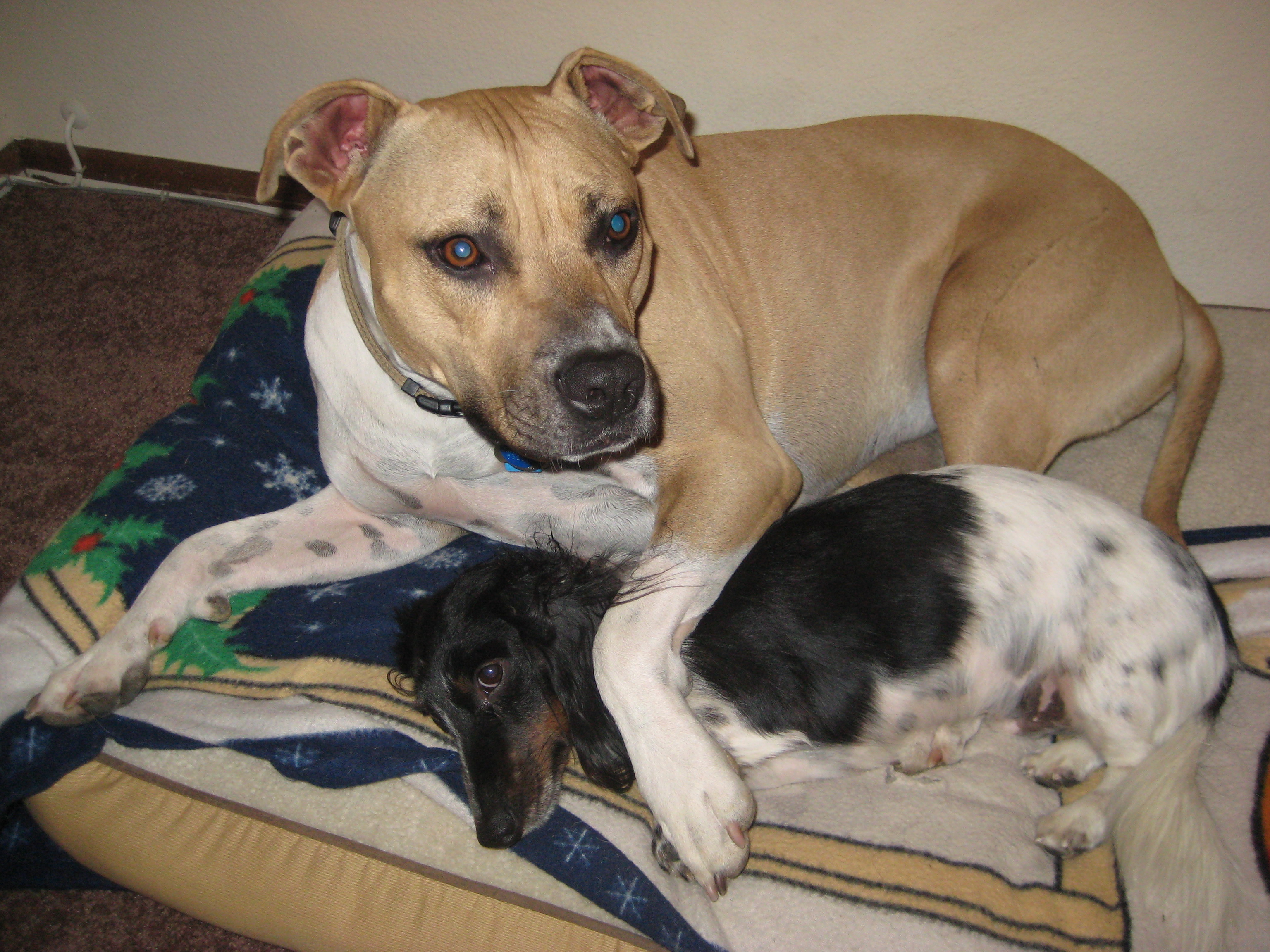
Pitbulls as Pets

In the world of rescue dogs, it is the Pit Bull (and pit mixes) that seems to take the lead of those abandoned in city streets and also tends to encompass the majority of those dogs populating city and county shelters across the country.  Often misunderstood, due to isolated cases involving certain vicious pit bulls in our society, the Pit Bull, in reality, is most commonly a very people-friendly dog who wants nothing more than to please his owner.   When Pit Bulls are aggressive to people, it’s usually in cases where the dog is chained and/or never socialized with people or other dogs and is almost never considered to be a member of one’s family, OR, when the dog is actually “trained” to be aggressive or vicious.


A certain echelon of our society is fascinated with owning Pit Bulls, breeding Pit Bulls (a female can have a litter of 10 or more so lots of money for that echelon of society breeding them), and fighting Pit Bulls, and due to this, the Pit Bull often gets a “Bad Rap.”  However, many people still love the Pit Bull (myself included), own a Pit Bull (myself included) and are NOT in that faction of society.  But unfortunately, it is a result of this faction of society that the Pit Bull is the main dog seen in shelters today (well, Chihuahuas are pretty high in the numbers too!).  But again, Pits are most commonly ALWAYS people-friendly, and in SOME occasions can be dog aggressive. 


Having roots in history by way of a fighting dog in the “pits” of England (thus, the name, “Pit Bull”) certain Pit Bulls are still genetically pre-disposed to being anywhere from slightly dog aggressive to very dog aggressive.  Therefore, SOCIALIZING your dog well with lots of other dogs when he or she is still a pup (or even when not a pup as long as things are safe and controlled) is a must and very much a plus!  Teaching your dog to walk well on a leash in a controlled manner, as well as providing the appropriate level of exercise, is also paramount. 


Pit Bulls (in general) are not recommended for dog park or dog beach settings.  Some pits cannot handle the over-stimulation of so many dog personalities in such a large group of dogs.  Your dog may be blamed for something because you are the one with the bully breed.    Pit bulls can be amazing in play settings when socialized in smaller packs where proper introductions have been made.  Don’t set your pittie pet up for failure – Pit Bulls are a great breed, but there are rules of being a responsible pet owner.  Keep your pet leashed in public places.  Because pits can easily get a “bad rap,” protect your pittie pet and always present your dog companion in a positive light.


We at Angel’s Heart believe that we have enough homeless, abused, and neglected Pit Bulls in our society and we need to stop breeding Pit Bulls!  Spaying and neutering your dog will only serve to improve your dog’s temperament as well as improve his or her chances of being a better behaved, better socialized, and better model for the breed.  We consider Pit Bulls to be a fun, goofy, loving and affectionate breed that is NOT inherently aggressive by any means.  When socialized well, the Pit Bull is NOT unpredictable and does not “snap” as is the misconception, but is a very loyal companion and friend.  Please consider opening your heart and home to adopting a Pit Bull or Pit Bull mix.


Einhorn Insurance will be happy to help you with home, condo, renter or liability insurance with a Pit Bull, Rottweiler, Doberman, Akita, Shepherd…etc..   We welcome all breeds!!!  Contact Einhorn Insurance at 858.336.4644, agent@einhorninsurance.com or visit  www.Einhorninsurance.com.  Please mention Angel’s Heart Dog Rescue and for every policy you purchase, Einhorn Insurance will donate $ 20 in your honor to Angel’s Heart Dog Rescue.


Click here to watch
Ludwig & Addison
at play. . .


Thursday, September 12, 2013

Fur the Love of Pets

The adorable West Highland White Terrier pictured here is in search of a name. His new family is considering Harper, a name of Scottish origin that also belonged to a famous Southern American author, Harper Lee, or Henry because of the puppy’s regal bearing and royal personality. Or perhaps my readers have a better suggestion. Go to the Animal Medical Center’s Facebook page and join in the discussion about this puppy’s name. Below are some of my thoughts on memorable patient names to help you start thinking. We would also like to hear the story about how your pet got its name.


During the course of my career as a veterinarian, I have heard lots of unusual pet names. To write this blog, I reviewed my personal patient archives to remind myself of some of the colorful names my patients have. Unlike human baby names, which are recorded by the Social Security Administration, and reported on websites like parenting.com, there is no registry of pet names.


Popular culture influences baby names, and 2010 was no exception. The Twilight Saga gave us the top boy and girl names of 2010: Jacob and Isabella.


Popular culture also influences pet names. Over the years I have noticed an evolution in Rottweiller names. For example, a common name in the 1980’s was Mr. T. Tyson became popular in the 1990’s, and more recently Kruger or Hannibal.


Remember the movie Milo and Otis? Milo was an orange cat. Every veterinarian will tell you orange cats named Milo increased dramatically after this movie was released and The AMC has over 300 cats named Milo in its patient database.


Here are some more fun names of pets, in alphabetical order so no one will be offended.


Abie – A West Highland White Terrier owned by a pianist. The name was a truncation of the Composer Alexander Nikolayevich Scriabin.


Barbara, Diana and Mary – An entire litter of three female miniature black poodles named after the Motown group, The Supremes.


FSBO – (pronounced fizz-bo) A real estate acronym which stands for For Sale By Owner. This dog’s family worked in the real estate business.


Handsome – An aptly named, fabulously handsome Pug with velvet black lips.


Pugsley – When I first met this dog I spent a lot of time in the waiting room looking for a Pug or a Puggle, but I just found a brown, mixed breed dog. Turns out the owner just liked the name and its choice had nothing to do with the dog’s appearance.


Quay – A dog rescued from a drug dealer and previously known as Quaalude.


Sapphire – This cat should have been named Spitfire. No veterinarian could get within a mile of this cat without risking life and limb.


Simon – A Morkie, was thought to look British in a photo sent to a family member and he immediately became Simon.


________________________________________________________


This may also be found in the “Tales from the Pet Clinic” blog on WebMD.com.


For over a century, The Animal Medical Center has been a national leader in animal health care, known for its expertise, innovation and success in providing routine, specialty and emergency medical care for companion animals. Thanks in part to the enduring generosity of donors, The AMC is also known for its outstanding teaching, research and compassionate community funds. Please help us to continue these efforts. Send your contribution to: The Animal Medical Center, 510 East 62nd Street, New York, NY 10065. For more information, visit www.amcny.org. To make an appointment, please call 212.838.7053.